After an Accident
What to Do After a Car Accident: 10 Important Steps
What to Do After a Car Accident A car accident can happen without warning, leaving drivers and passengers confused about what to do next. Even a relatively minor collision can create unexpected challenges involving vehic
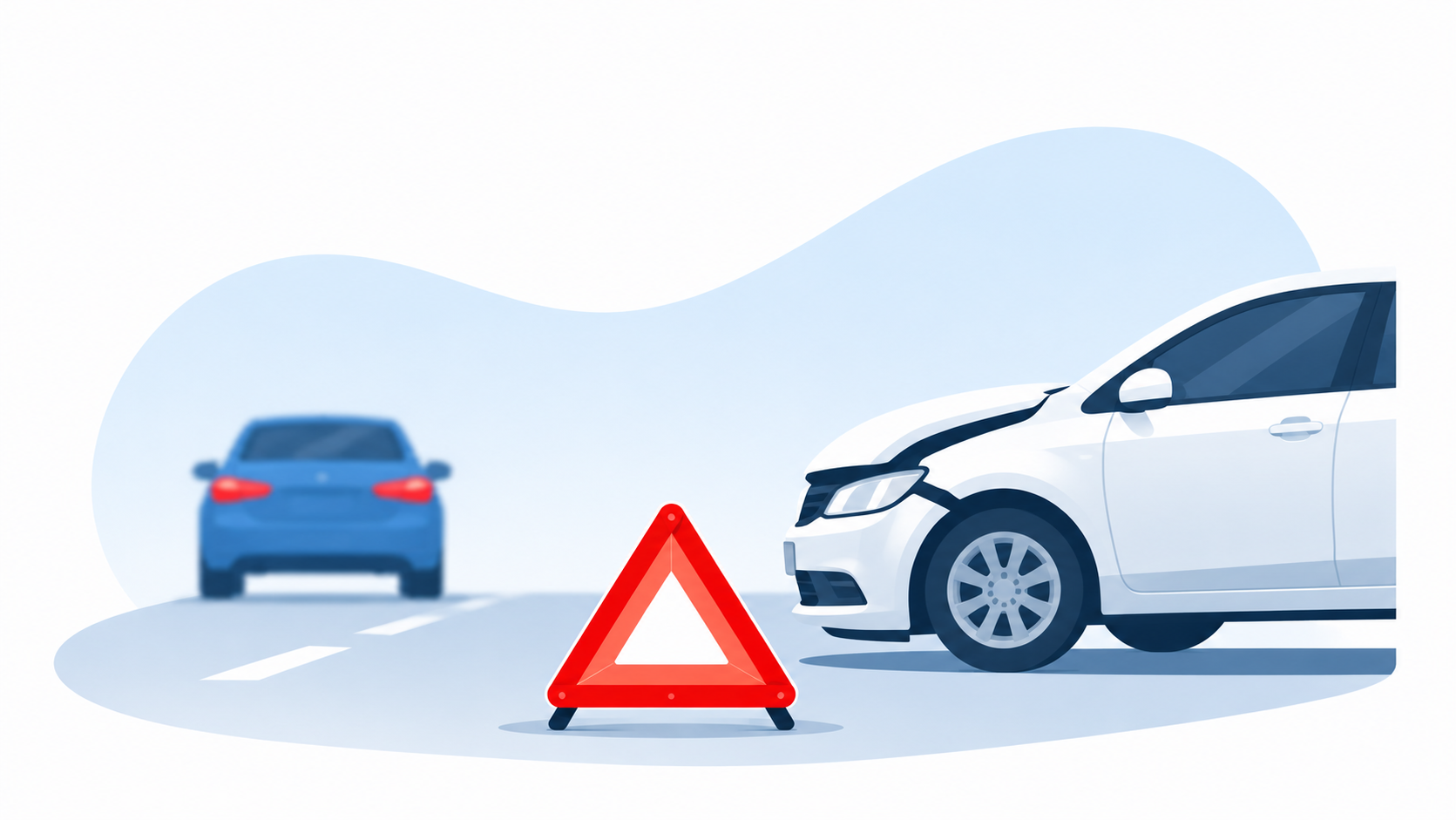
What to Do After a Car Accident
A car accident can happen without warning, leaving drivers and passengers confused about what to do next. Even a relatively minor collision can create unexpected challenges involving vehicle damage, medical treatment, insurance companies, and legal responsibilities.
Knowing what to do after a car accident can help protect your safety, preserve important evidence, and prevent avoidable complications when dealing with insurance claims.
Whether the accident happened on a busy highway, at an intersection, or in a residential neighborhood, taking the right steps immediately afterward can make a meaningful difference.
1. Check for Injuries and Prioritize Safety
Your first responsibility after an accident is to check whether anyone needs medical assistance. Assess yourself, your passengers, and others involved if you can do so safely.
Call 911 if someone is injured, appears seriously distressed, or requires emergency assistance. Avoid moving someone who may have a serious injury unless remaining in place presents an immediate danger.
Turn on your hazard lights and stay away from moving traffic. If the vehicles create an additional roadway hazard and can be moved safely, relocate them according to local safety requirements.
2. Contact the Police When Necessary
Contact local law enforcement when the accident involves injuries, significant property damage, suspected impairment, or circumstances requiring an official investigation.
Reporting requirements vary between states. Some jurisdictions also require drivers to submit a separate accident report to the appropriate state agency.
When officers arrive, provide accurate information about what happened. Request the incident or report number so you can follow up later.
3. Exchange Information With Other Drivers
Collect relevant information from everyone involved in the collision. This may include:
Full names and contact details.
Driver's license information where legally appropriate.
Vehicle registration and license plate numbers.
Insurance company names and policy details.
Vehicle make, model, and color.
Keep the conversation factual and avoid arguing about responsibility. Do not guess about details you cannot remember.
4. Document the Accident Scene
Photographs and videos can help preserve details that may become difficult to reconstruct later.
If it is safe, photograph vehicle damage, road conditions, traffic signals, intersections, debris, skid marks, and the surrounding area.
Record the date, approximate time, exact location, and weather conditions. If witnesses are available, ask for their names and contact information.
5. Seek Medical Attention
Not every accident injury becomes noticeable immediately. Some people experience discomfort or other symptoms hours or days after a collision.
If you experience pain, dizziness, headaches, or other unusual symptoms, seek appropriate medical evaluation. Follow professional medical advice and retain copies of relevant records.
Medical documentation can also help establish when an injury was identified and what treatment was recommended.
6. Notify Your Insurance Company
Contact your insurance provider promptly and follow the reporting instructions in your policy.
Provide accurate information about the collision and ask what documents are required to begin the claim process.
Avoid exaggerating injuries or damage. Keep copies of communications, claim numbers, photographs, repair estimates, and submitted documents.
7. Keep Records of Accident-Related Expenses
Organize receipts and records related to the accident. Depending on your circumstances and applicable law, relevant expenses may include medical bills, prescription costs, rehabilitation, vehicle repairs, towing, and transportation.
If you miss work because of an injury, retain employment and wage records that may help establish lost income.
8. Be Careful When Communicating About Fault
An accident can involve several contributing factors, and the complete circumstances may not be immediately clear.
Avoid making assumptions or accepting responsibility before the available evidence has been reviewed. Cooperate with legitimate investigations and provide truthful information.
9. Understand Your Legal Options
Depending on the circumstances, you may have questions about insurance coverage, medical expenses, vehicle damage, or compensation for injuries.
A car accident lawyer can review the available evidence, explain relevant state laws, and help you understand possible legal options.
Legal advice may be particularly useful when liability is disputed, injuries are serious, or an insurance company challenges a claim.
10. Track Important Deadlines
Accident-related deadlines may apply to insurance notifications, government reporting, and personal injury lawsuits.
The deadline for filing a lawsuit is commonly governed by a state's statute of limitations. Exceptions and shorter notice requirements may apply, particularly when a government entity is involved.
Do not assume that the deadline is the same in every state.
Frequently Asked Questions
What should I do immediately after a car accident?
Check for injuries, call emergency services when necessary, move to safety if possible, follow applicable reporting requirements, exchange information, and document the scene.
Should I call the police after a minor car accident?
It depends on state law and the circumstances. Even when police attendance is not required, you may have a separate reporting obligation.
Should I contact a lawyer after every car accident?
Not necessarily. Legal guidance may be especially useful when an accident involves injuries, disputed liability, substantial losses, or complicated insurance issues.
Can I file an insurance claim if I did not cause the accident?
Potentially, yes. Your available options depend on insurance coverage, fault rules, and the circumstances of the collision.
Final Thoughts
The period immediately following a car accident can influence how smoothly you handle the situation afterward. Prioritize safety, obtain appropriate medical attention, preserve evidence, and understand your reporting responsibilities.
Taking these steps can help you make informed decisions while protecting your interests.
This article provides general information only and is not legal advice. Laws and deadlines vary by state and by the facts of your case.